De-Centered, Sheared and Shifted
Study Model
In this studio, we imagined a new building for the GAM, in Turin, Italy. The GAM is the country’s oldest contemporary art museum and has a large collection of works spanning from the 19th century to today.
Formally, we explored non-perspectival ways of representation, using Lissitzky’s A and Pangeometry as a theoretical starting point. Rather than prioritize the center, though perspectival representation in the tradition dating back to the Renaissance, we employed from the idea of a hypercube, with geometry that had the possibility of expanding, rather than contracting.
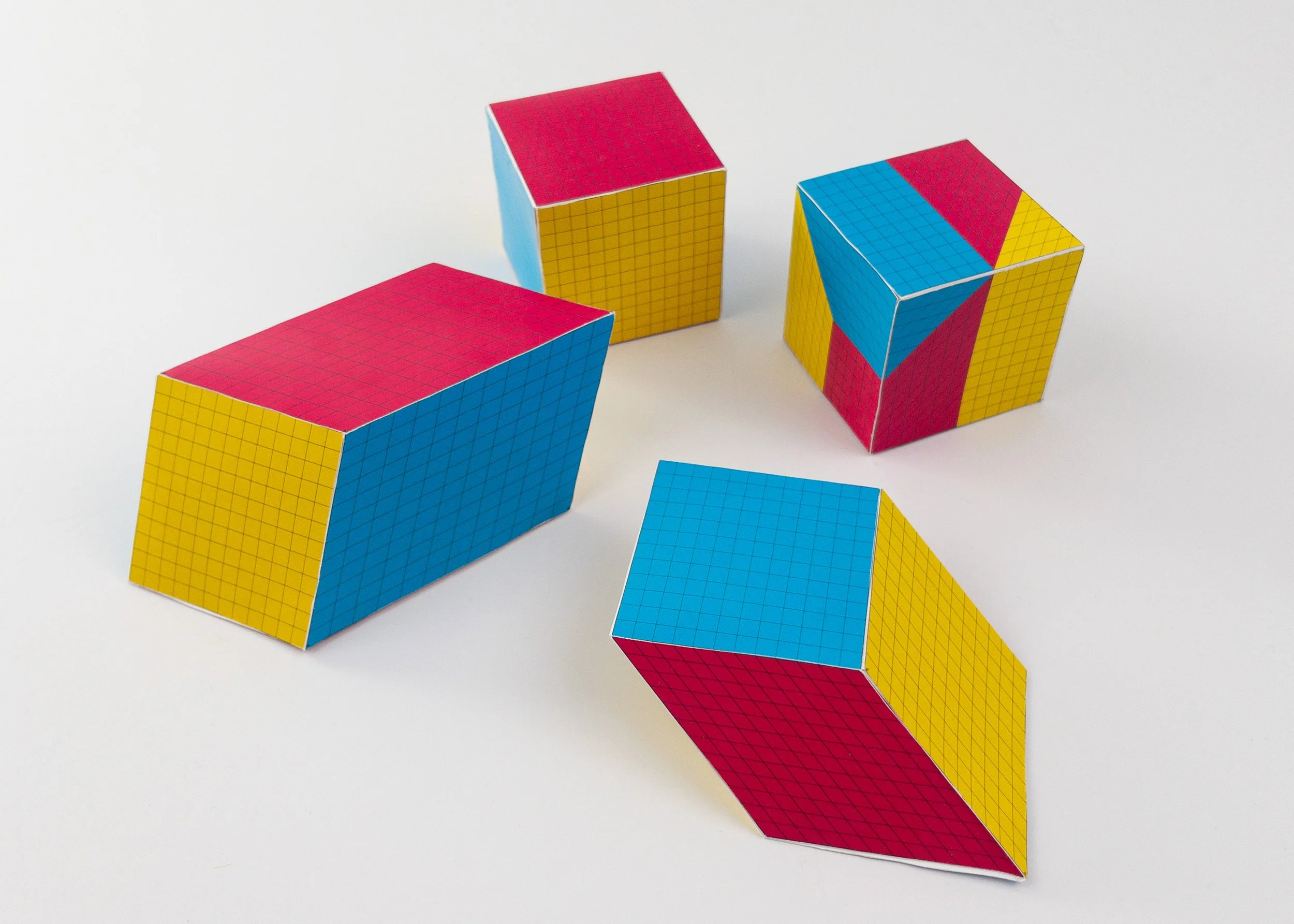
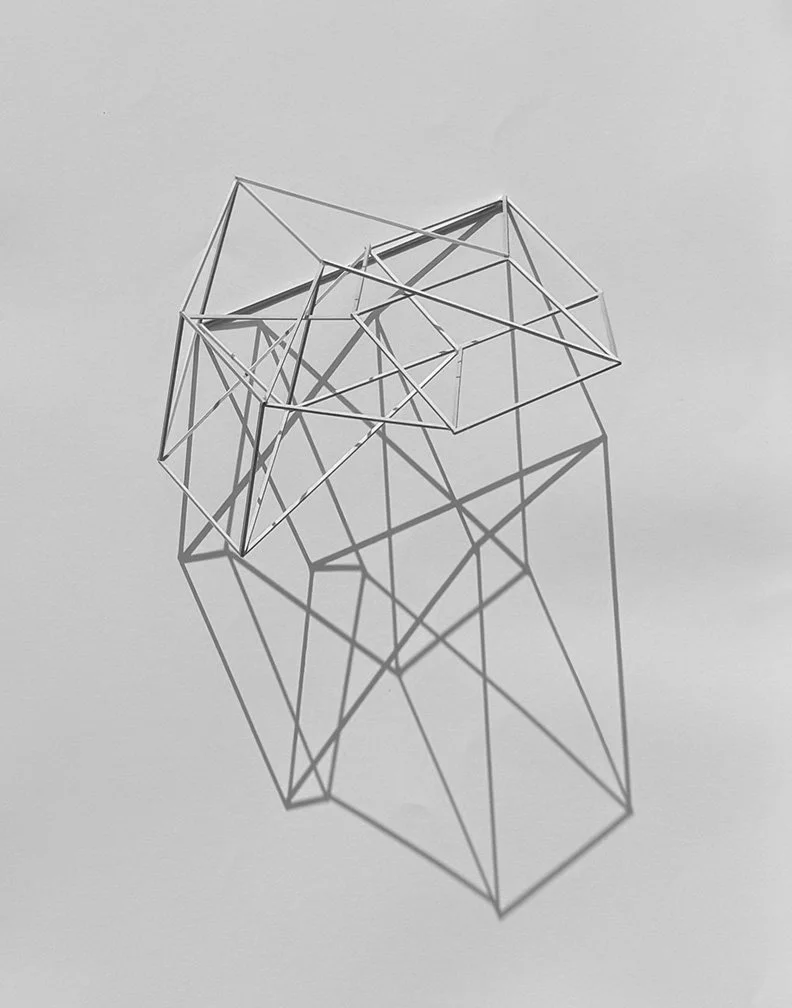
To start, we created small models of various transformed cubes. We combined these into hypercube objects and made stick models, seen below in diagram and photographed.
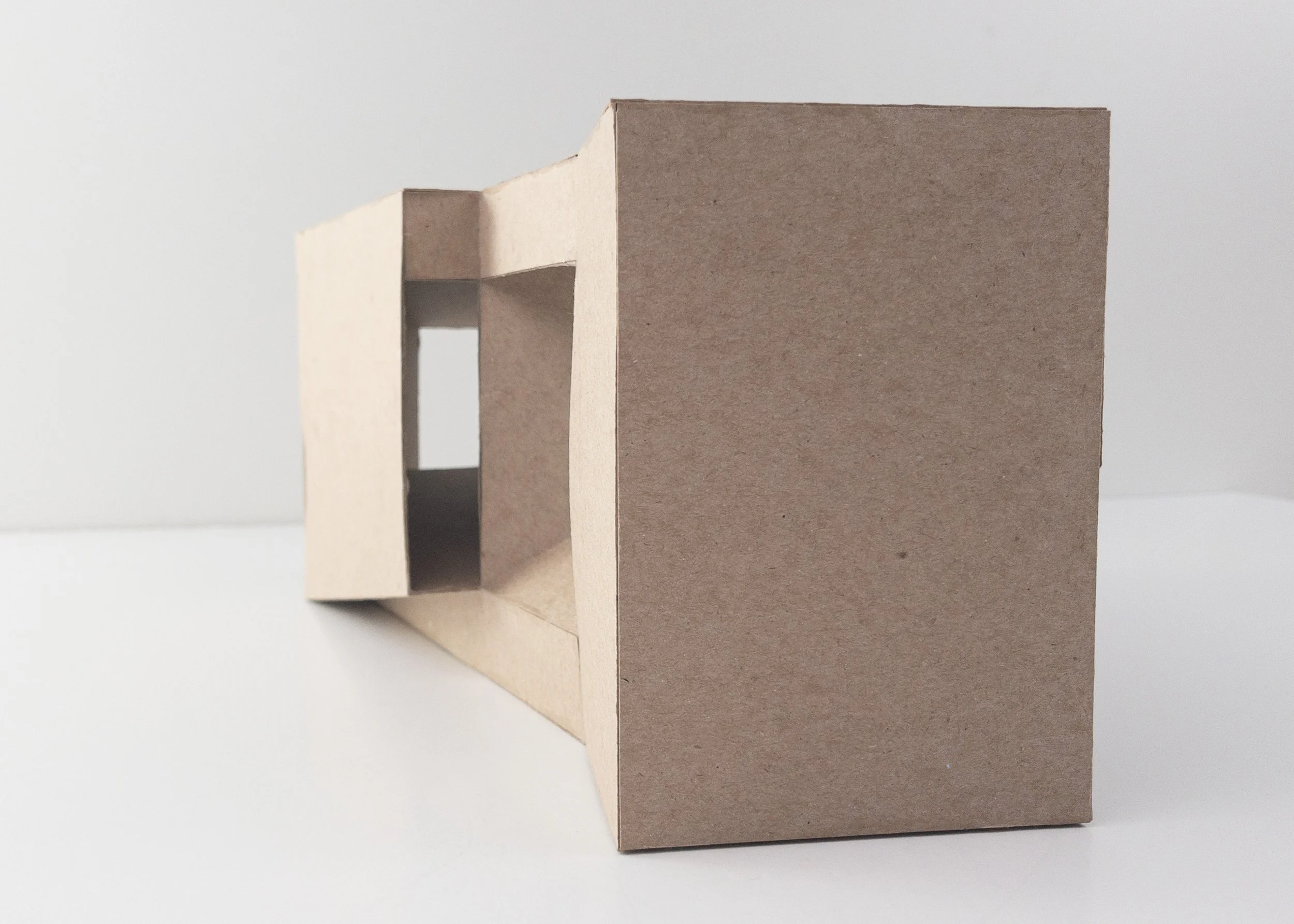
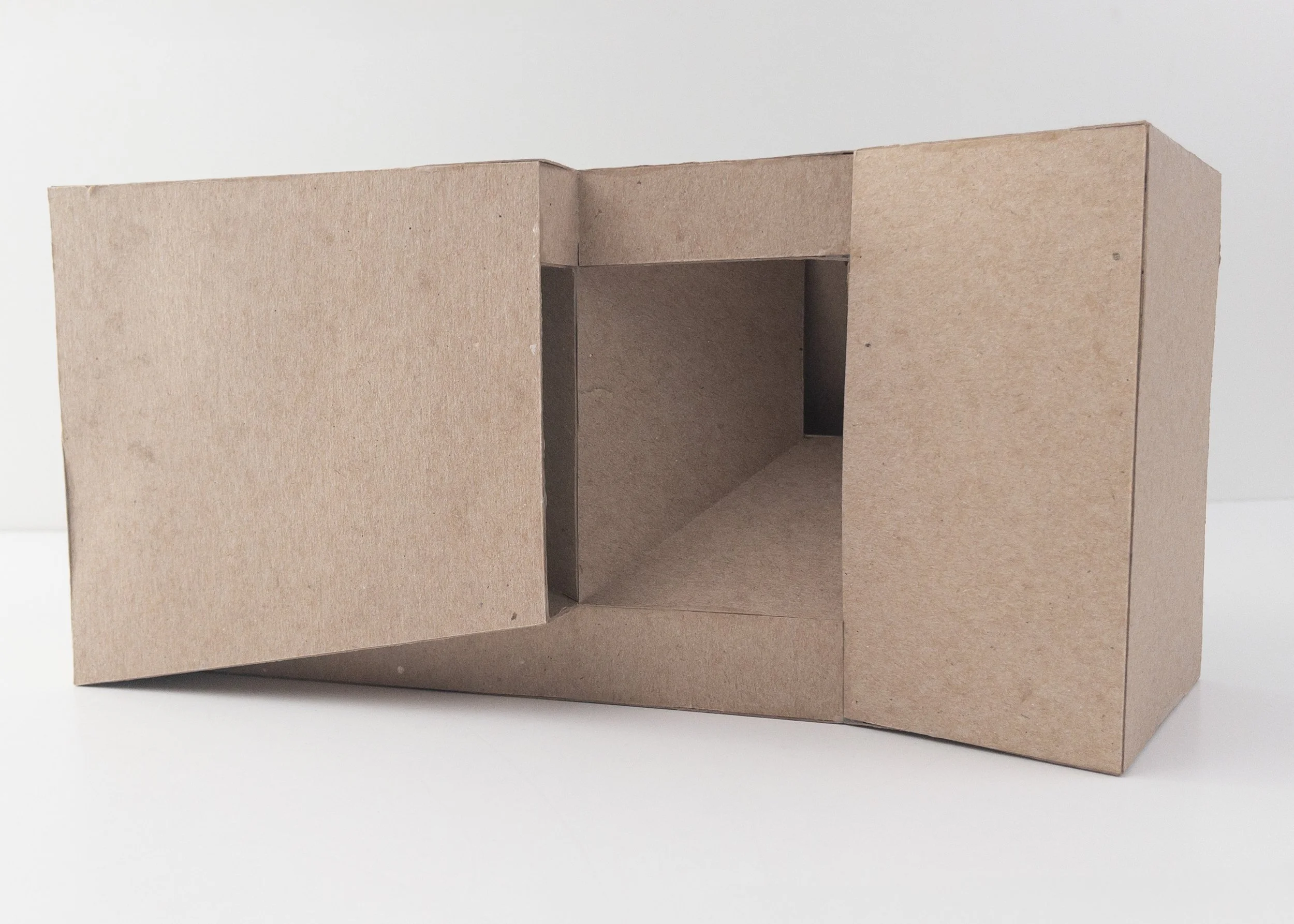
This form became the territory through which we experimented with tranlsation into proto-building forms, which we constructed from chipboard. Finally, we adaped these forms with the program of the art museum and situated it on the site within Turin. This process also resulted in a creative output: I constructed composite drawings of different axonometric projections of the final building proposal, creating a series of four “semi-legible” drawings. They show a multiplicity of views of the same space composited together, and represent a theoretical investigation into anti-perspectival representation.
Fall 2025, Faculty: Andrew Zago, Aram Radfar
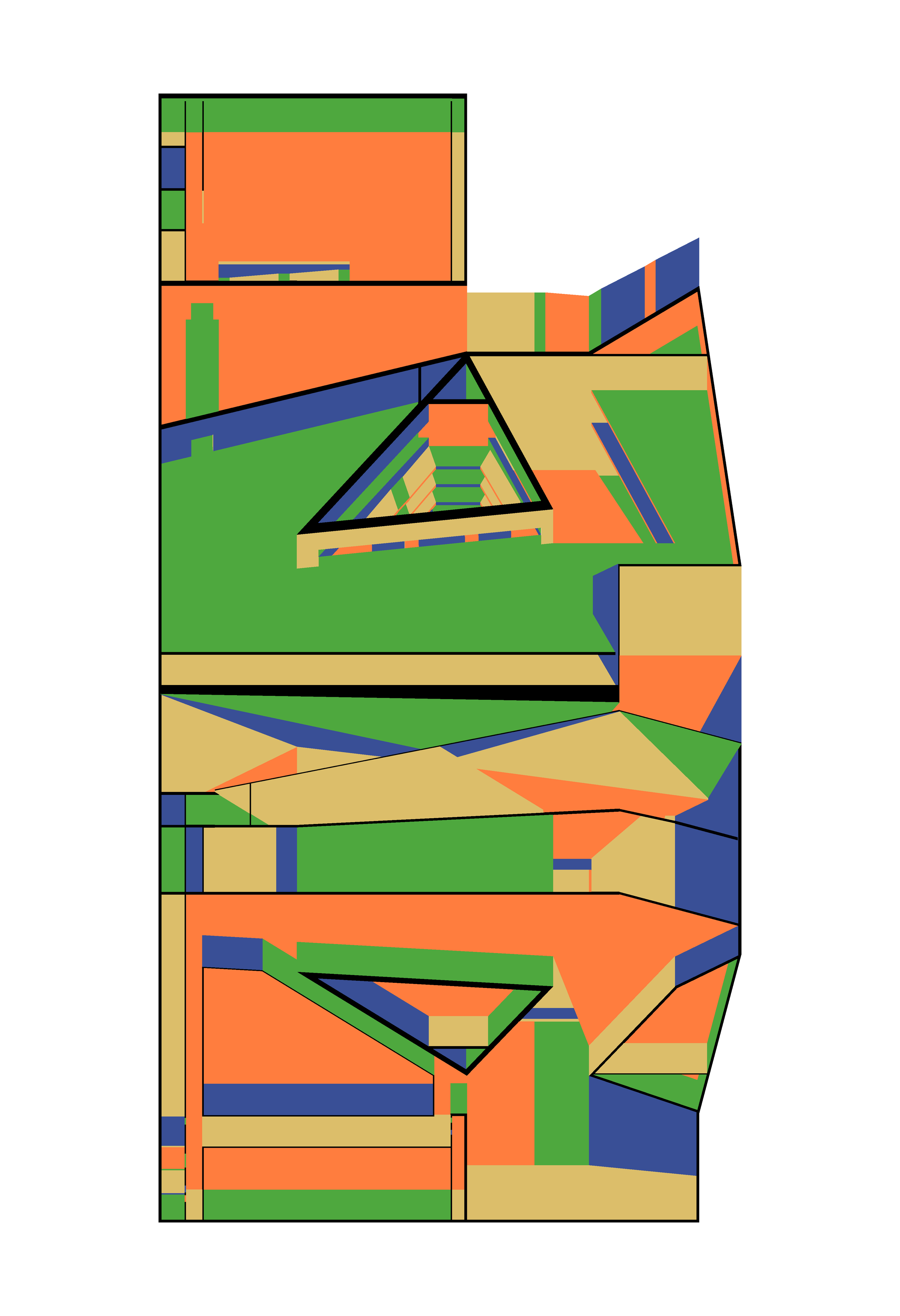
Drawings
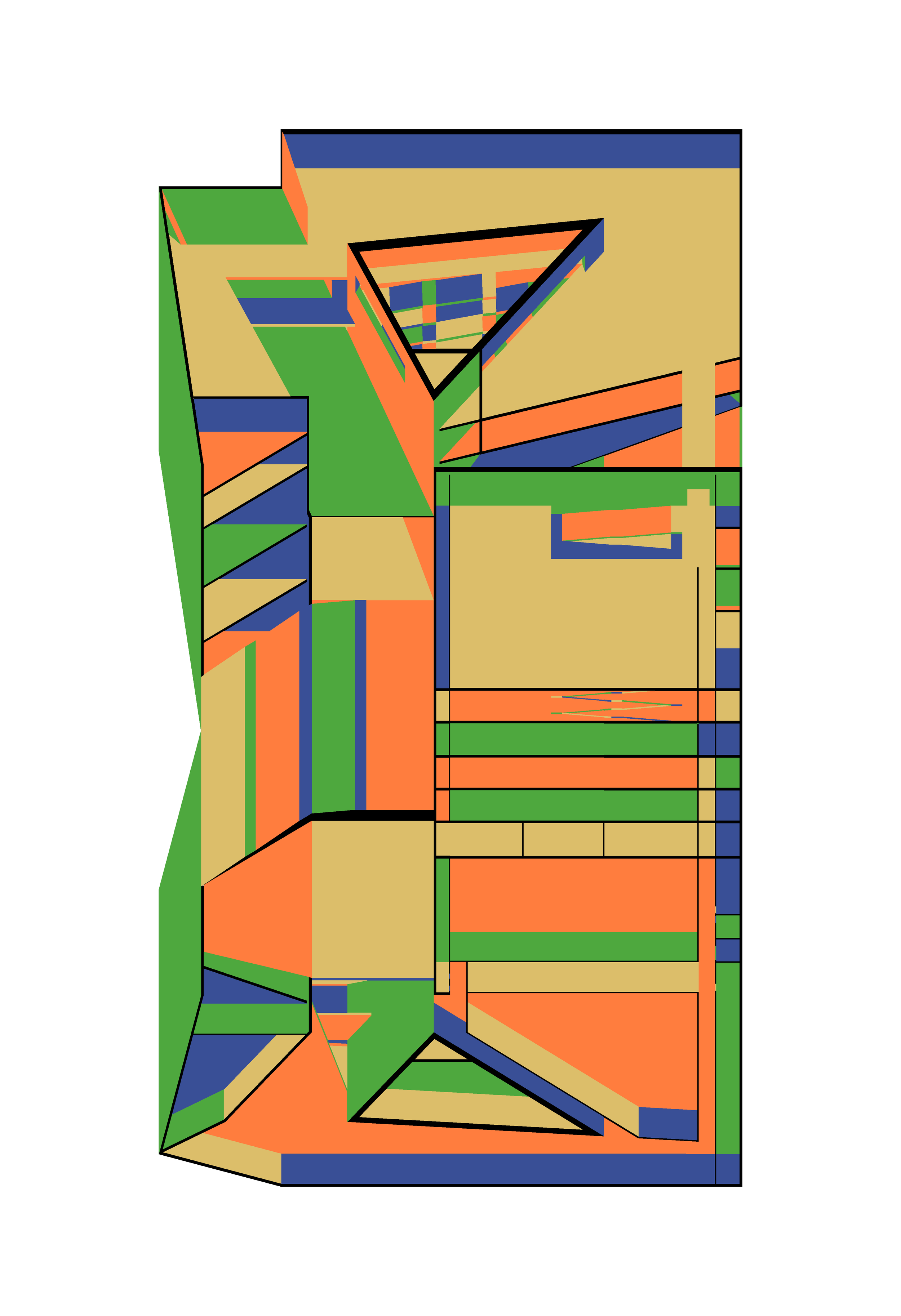
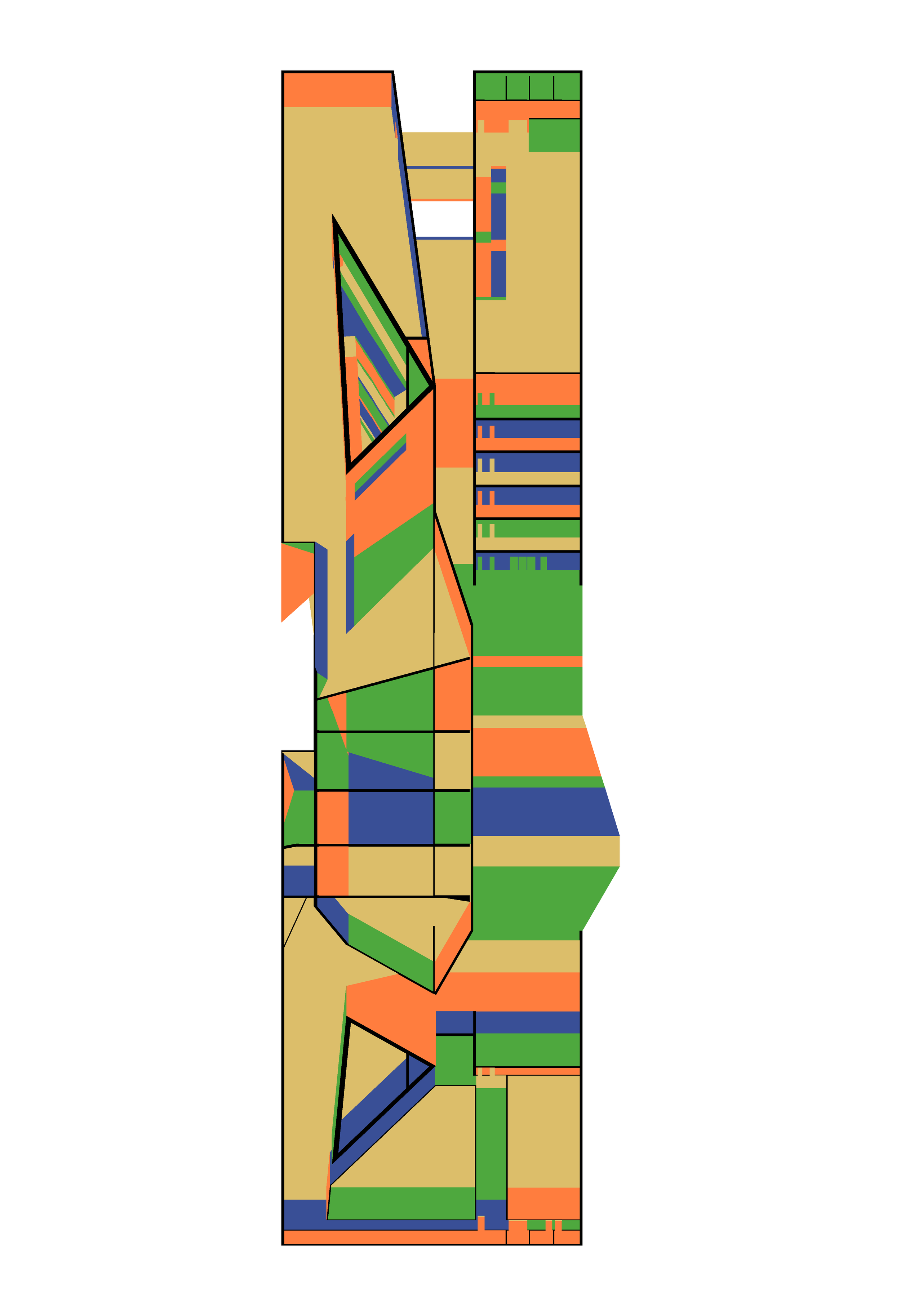
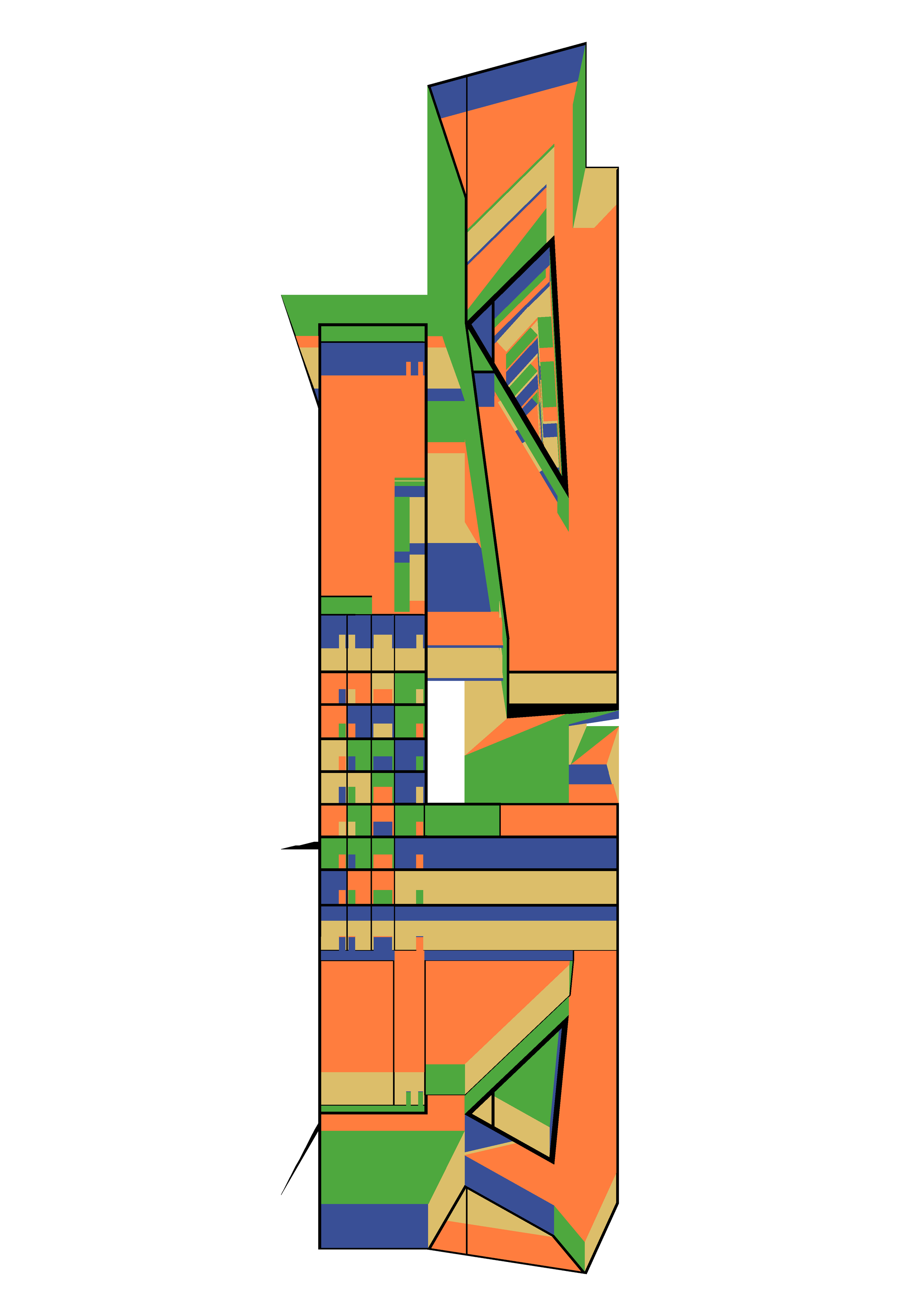
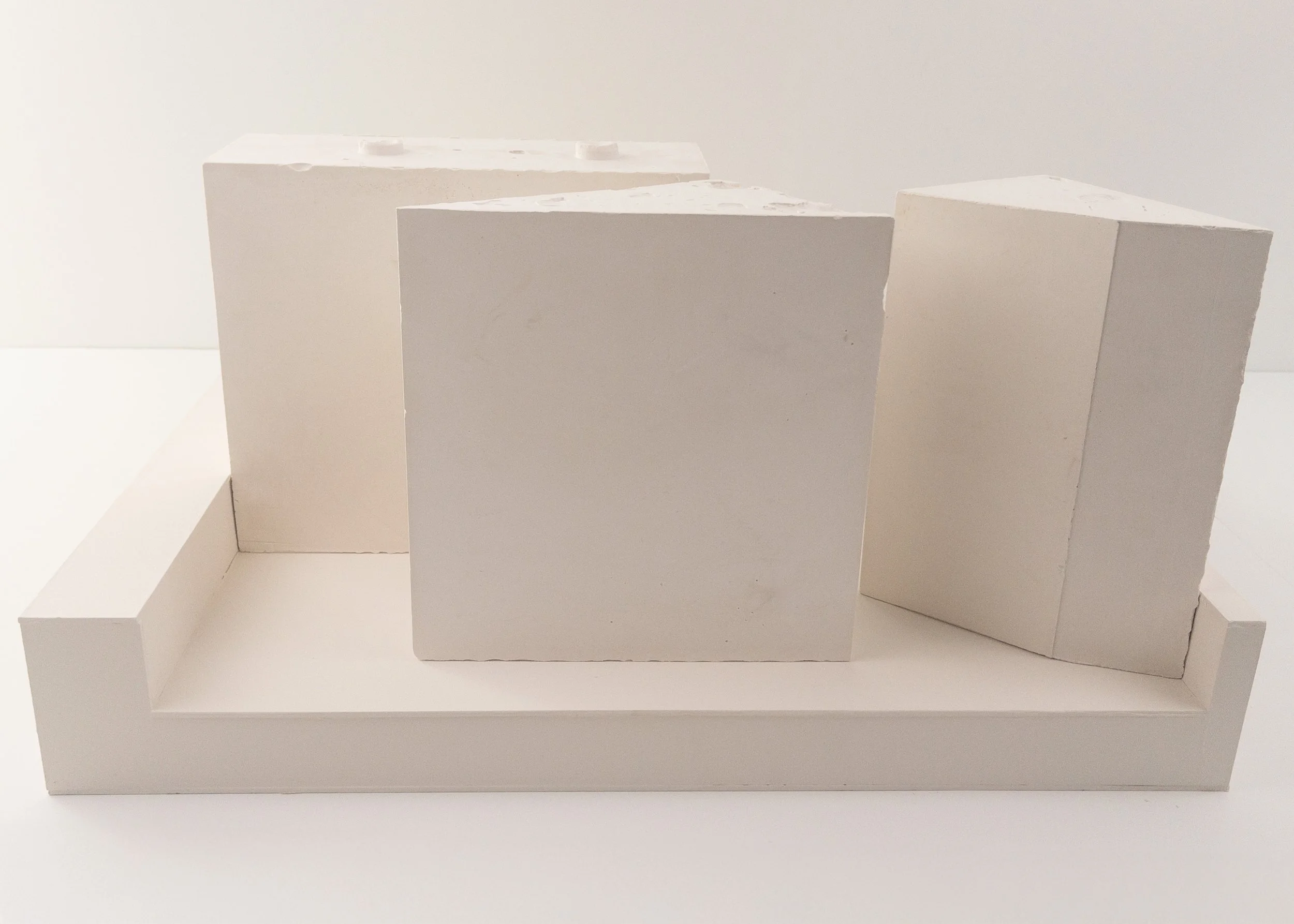
The chipboard model was adapted into an architectural proposal by adjusting the form while maintaining the spatial experience of the illegible sectional object.
I added another simple mass adjacent to original form to accomodate the museum program.
This final proposal was used to create the axonometric composite drawings.
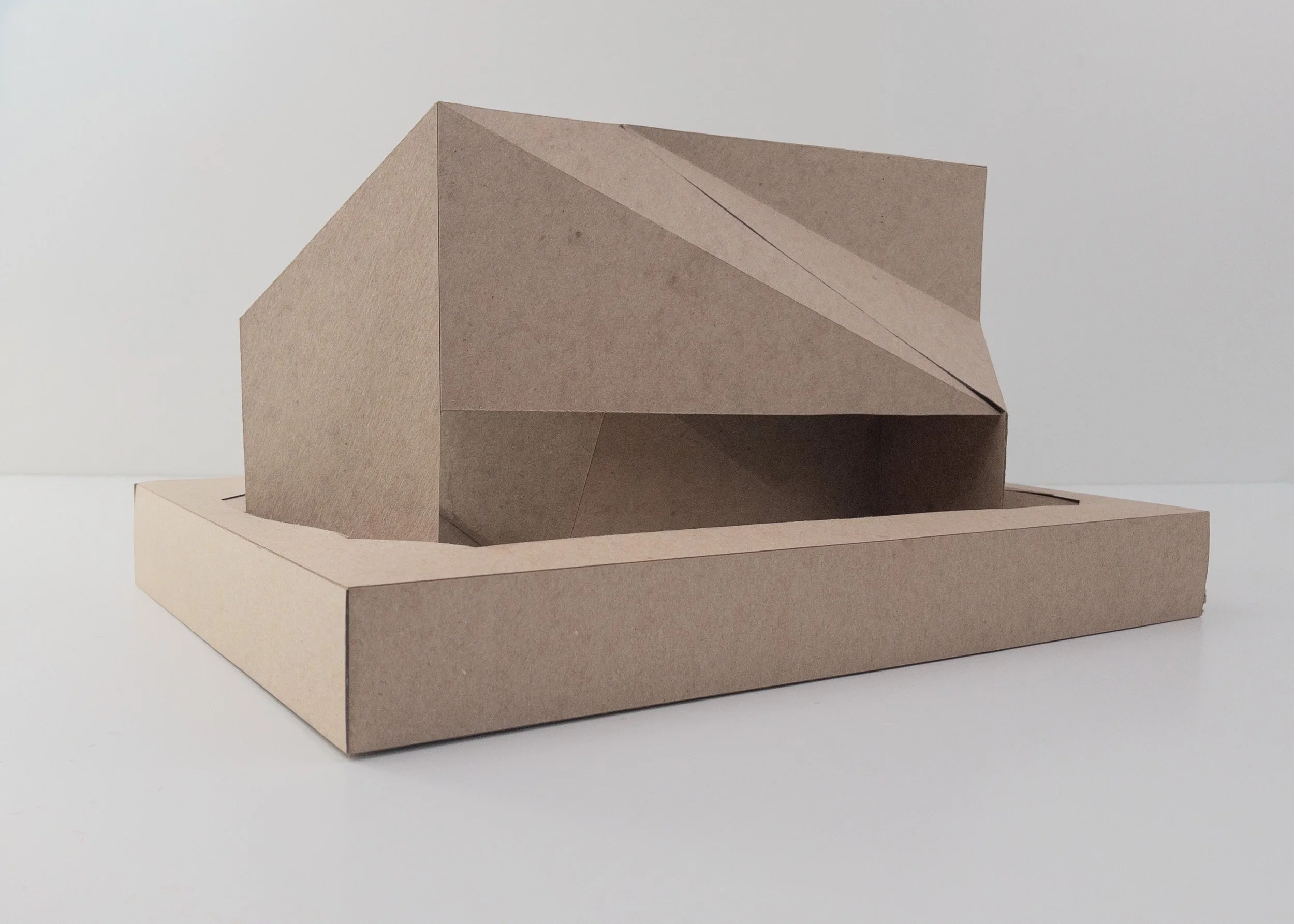
Study Models
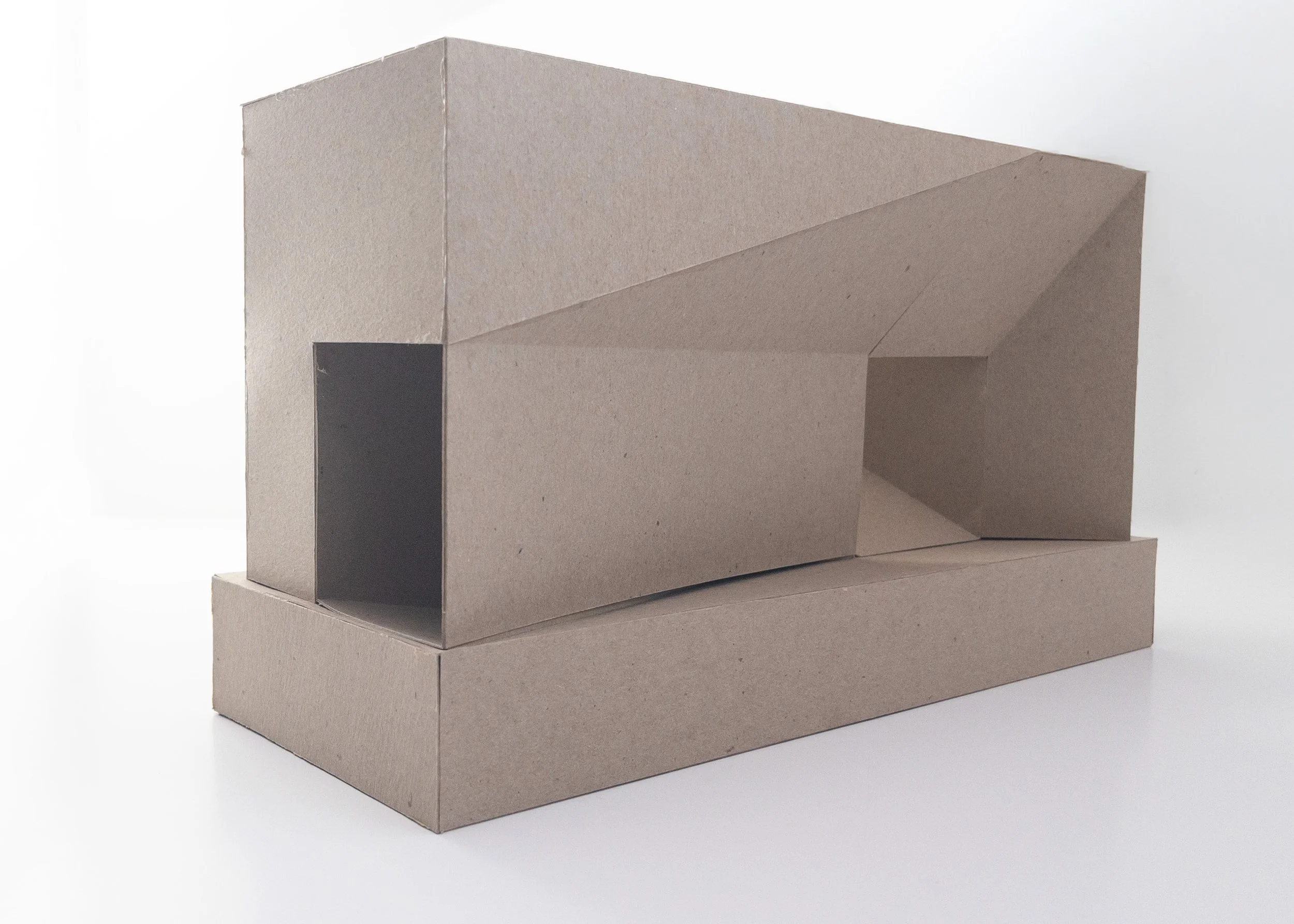
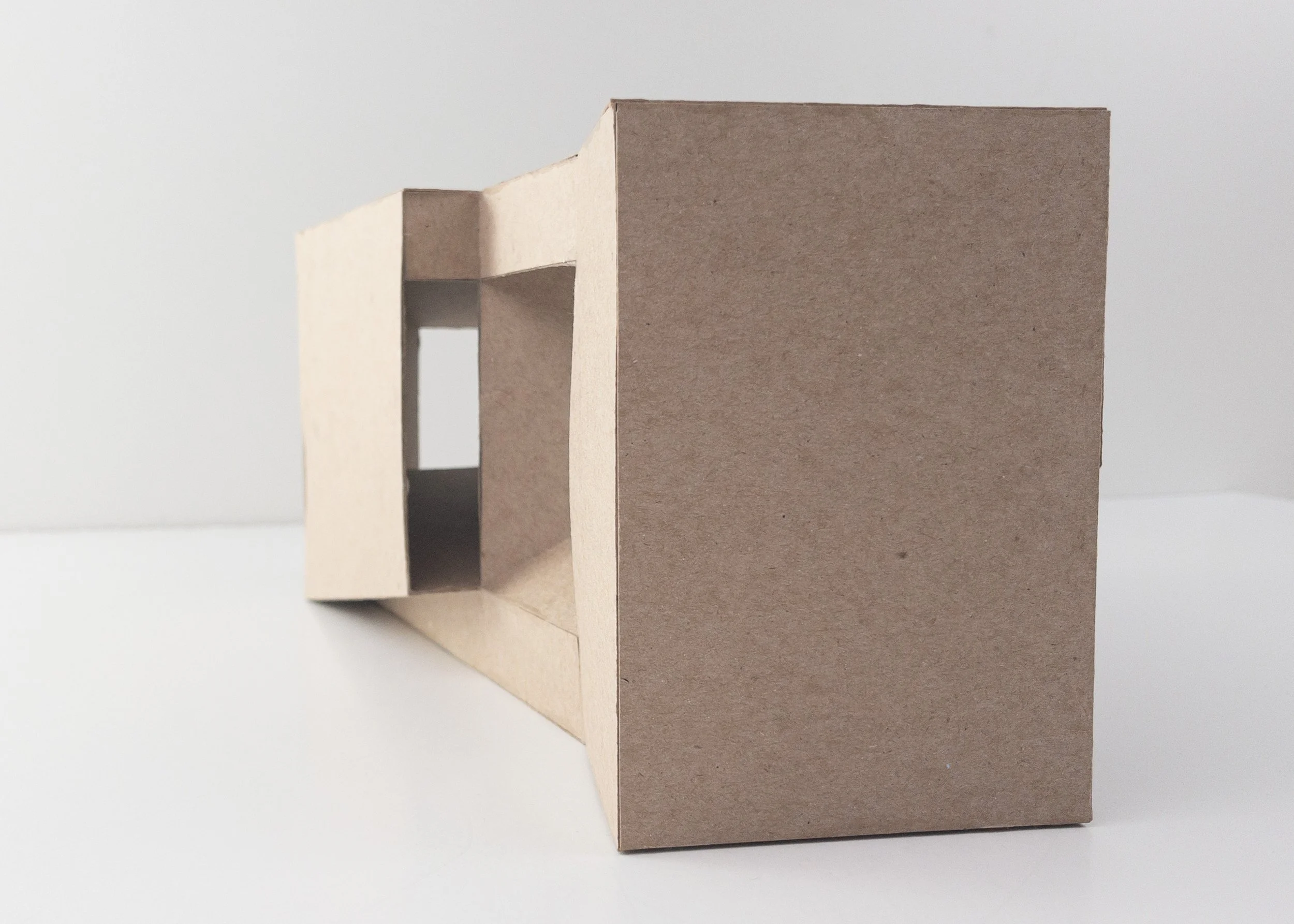
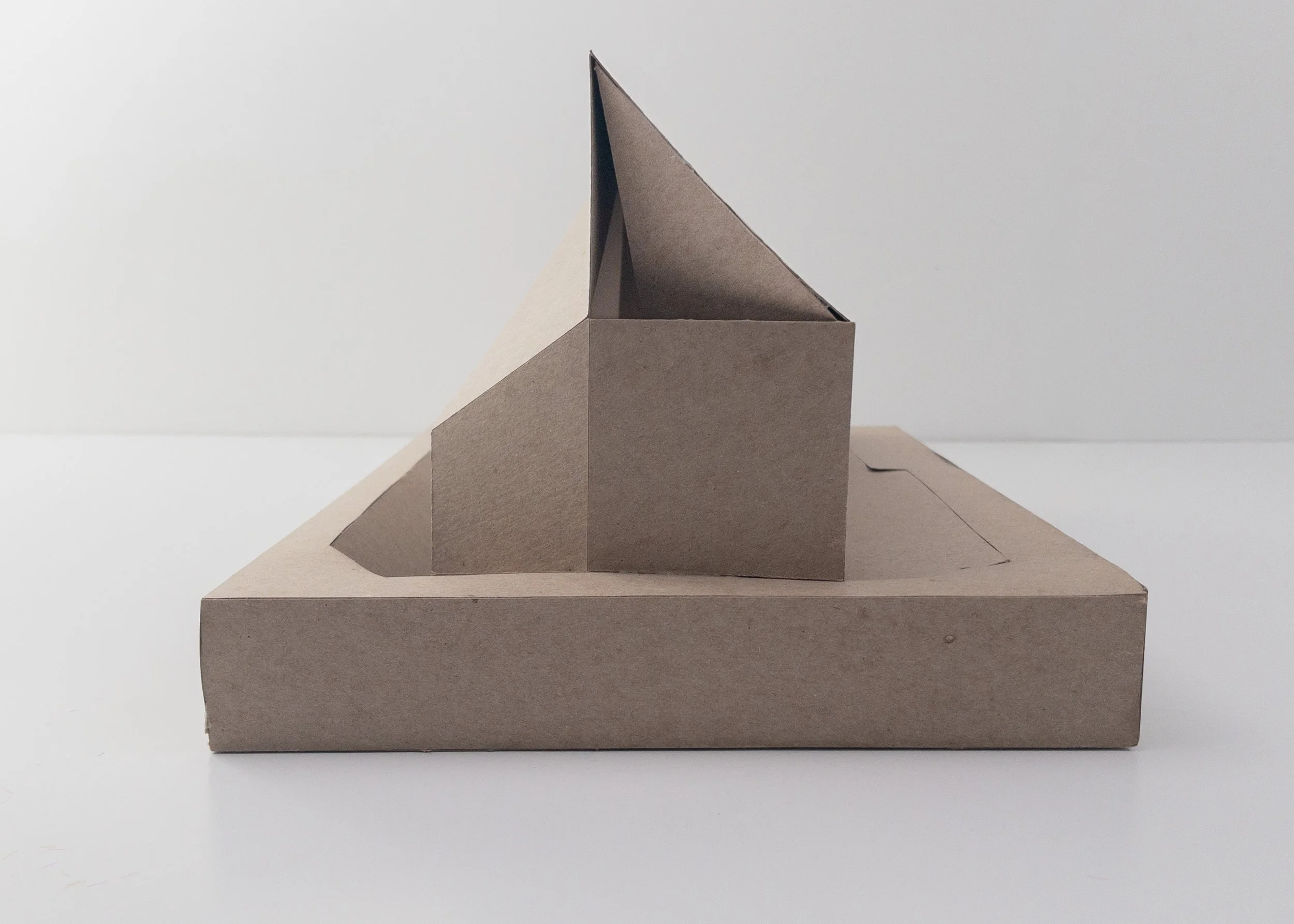
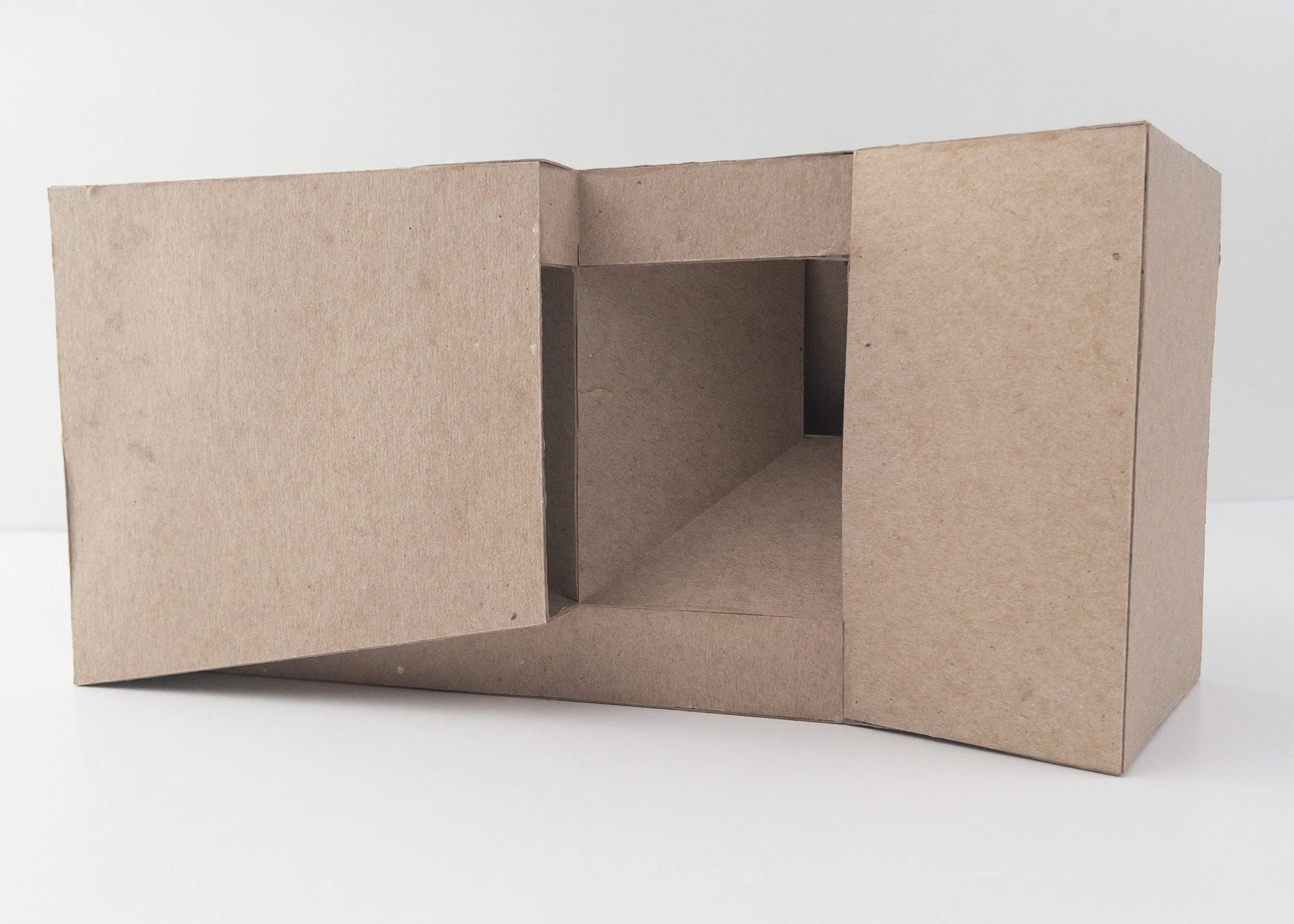
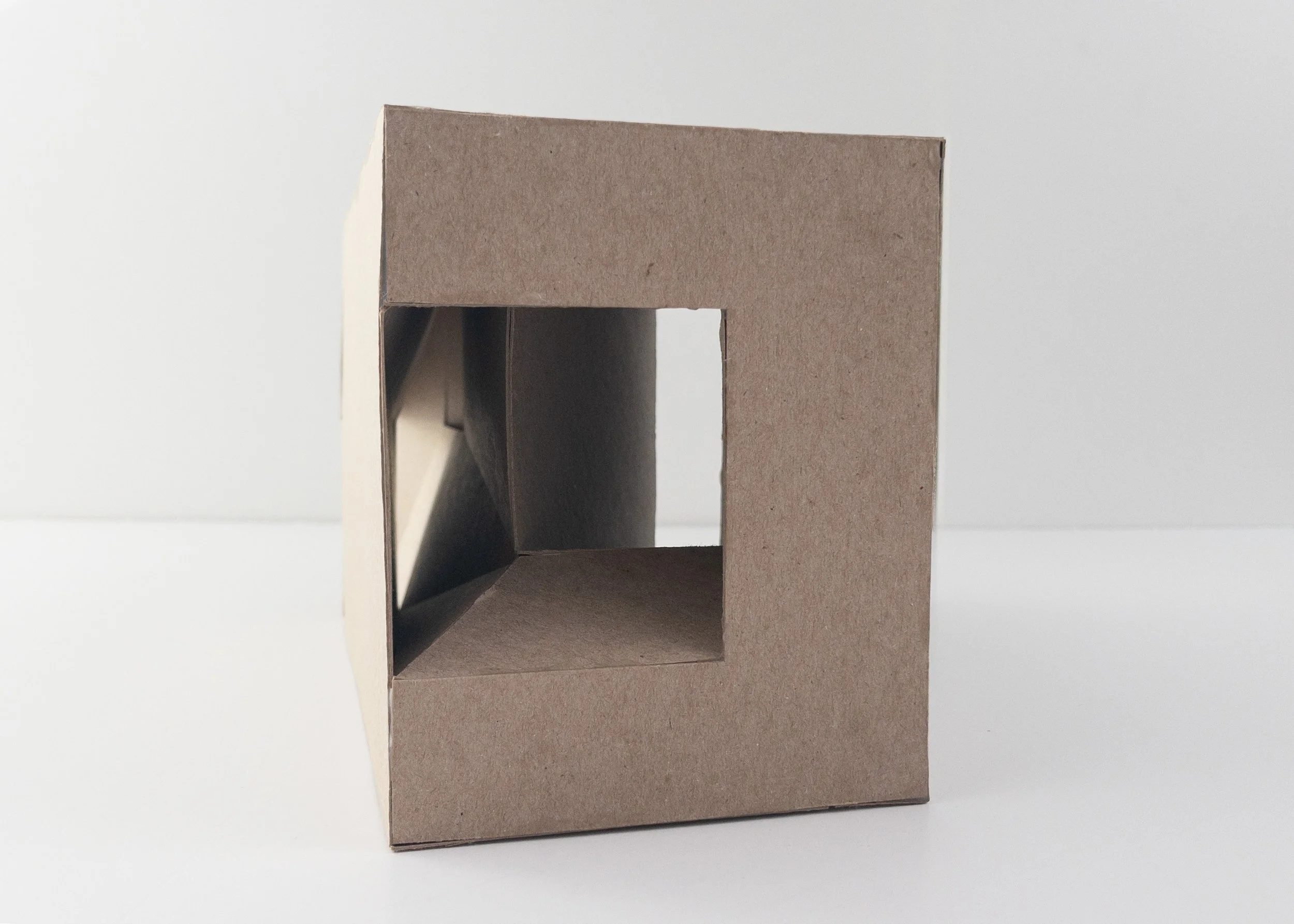
Using the stratgey of creating a void using the proto-form of the hypercube, I was able to create a form that resists a perspectival understanding. This is further enhanced by the resulting forms of the mass created in between the void spaces: an illegible sectional object that de-centers the spatial experience within the void; it can be read only in the margins.
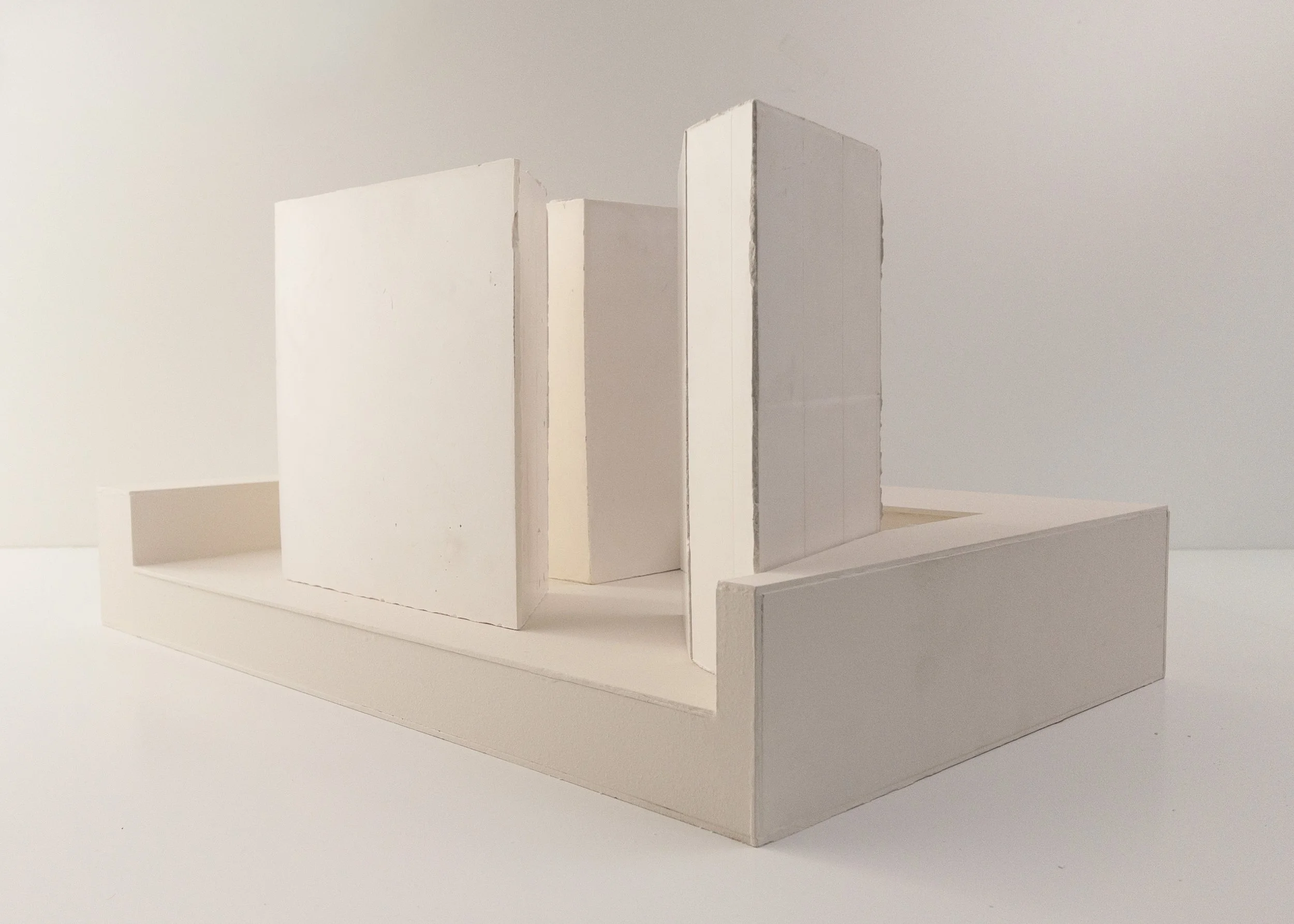
Model
![251211 final drawings [Converted]-01.png](https://images.squarespace-cdn.com/content/v1/6976672184f6c30da459e79b/3098bc13-98a6-40c2-97cd-00a8edb77cc6/251211+final+drawings+%5BConverted%5D-01.png)
![251211 final drawings [Converted]-02.png](https://images.squarespace-cdn.com/content/v1/6976672184f6c30da459e79b/d40bab6a-7a96-4b2e-b67e-11373611e423/251211+final+drawings+%5BConverted%5D-02.png)
![251211 final drawings [Converted]-03.png](https://images.squarespace-cdn.com/content/v1/6976672184f6c30da459e79b/52e40d5b-5f61-4251-b2ae-3d021be52b27/251211+final+drawings+%5BConverted%5D-03.png)
![251211 final drawings [Converted]-04.png](https://images.squarespace-cdn.com/content/v1/6976672184f6c30da459e79b/b1759f8a-0e10-4a25-97a1-19b14f02c92c/251211+final+drawings+%5BConverted%5D-04.png)
![251211 final drawings [Converted]-05.png](https://images.squarespace-cdn.com/content/v1/6976672184f6c30da459e79b/696b4523-05ac-4fb9-ae72-d9c2c4e17e4d/251211+final+drawings+%5BConverted%5D-05.png)
![251211 final drawings [Converted]-06.png](https://images.squarespace-cdn.com/content/v1/6976672184f6c30da459e79b/838ed999-9a1b-401f-995d-843078474786/251211+final+drawings+%5BConverted%5D-06.png)
![251211 final drawings [Converted]-07.png](https://images.squarespace-cdn.com/content/v1/6976672184f6c30da459e79b/df68ada5-a10d-4b5a-8367-be5fb4177128/251211+final+drawings+%5BConverted%5D-07.png)
![251211 final drawings [Converted]-08.png](https://images.squarespace-cdn.com/content/v1/6976672184f6c30da459e79b/c9eea8af-e36a-4718-9994-cb31b1c454c7/251211+final+drawings+%5BConverted%5D-08.png)
![251211 final drawings [Converted]-09.png](https://images.squarespace-cdn.com/content/v1/6976672184f6c30da459e79b/6d4aca26-ea26-4812-ac88-091ee7285b4a/251211+final+drawings+%5BConverted%5D-09.png)
![251211 final drawings [Converted]-10.png](https://images.squarespace-cdn.com/content/v1/6976672184f6c30da459e79b/a8a2d56e-ac95-437a-b924-4c740be4f78b/251211+final+drawings+%5BConverted%5D-10.png)
![251211 final drawings [Converted]-11.png](https://images.squarespace-cdn.com/content/v1/6976672184f6c30da459e79b/d1cc6f5b-6833-4eef-8897-8a5c4a02a3bb/251211+final+drawings+%5BConverted%5D-11.png)
![251211 final drawings [Converted]-12.png](https://images.squarespace-cdn.com/content/v1/6976672184f6c30da459e79b/de6532cb-a00e-4fb4-beb1-bee861e5f708/251211+final+drawings+%5BConverted%5D-12.png)
![251211 final drawings [Converted]-13.png](https://images.squarespace-cdn.com/content/v1/6976672184f6c30da459e79b/3f2c3785-4bcd-4b9f-a887-e0c28b149b4c/251211+final+drawings+%5BConverted%5D-13.png)
![251211 final drawings [Converted]-14.png](https://images.squarespace-cdn.com/content/v1/6976672184f6c30da459e79b/1c8f499b-64be-4aeb-bb56-4f9d05cc8fac/251211+final+drawings+%5BConverted%5D-14.png)