Imaginary In Situ
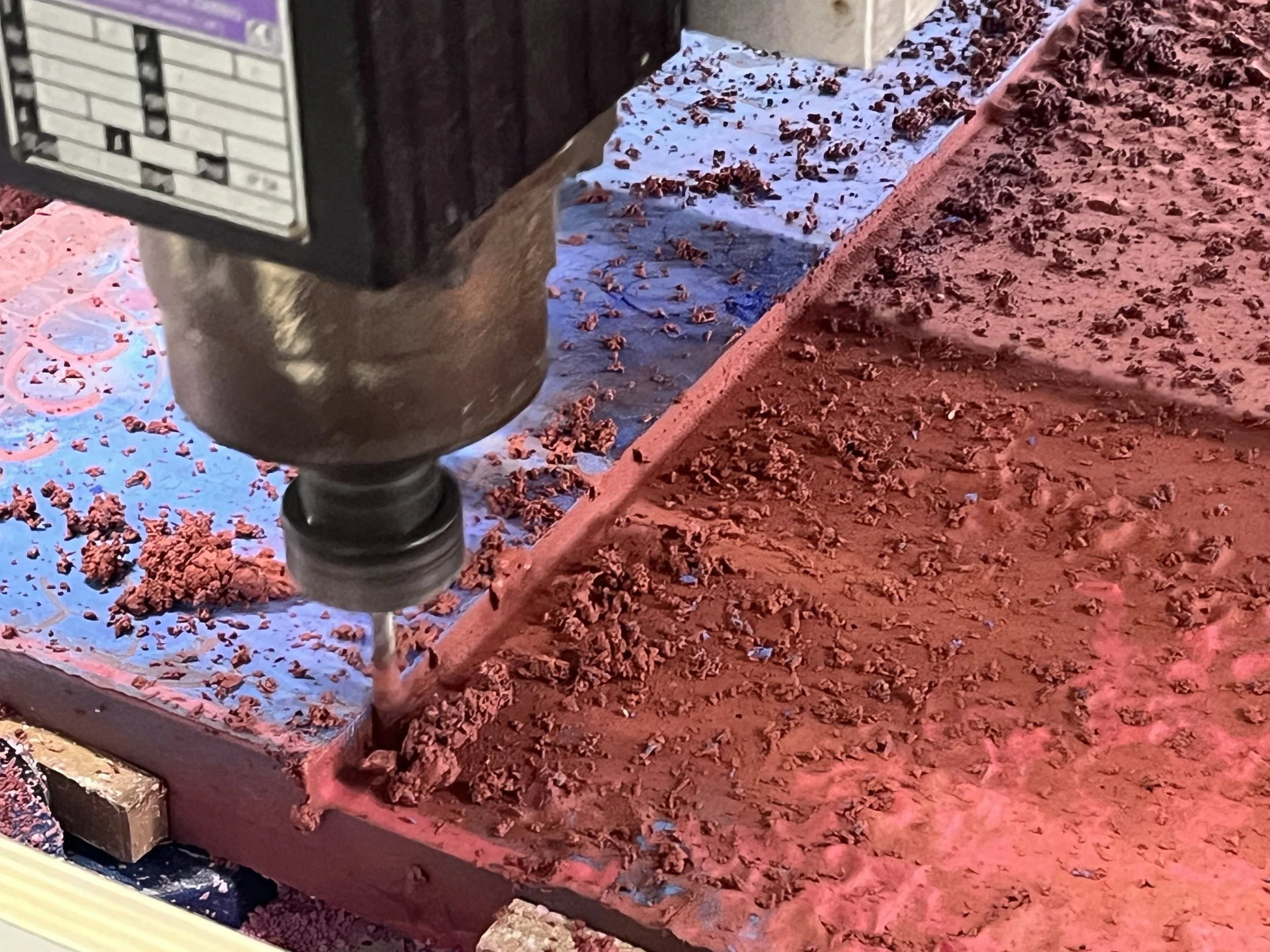
In this experiment, we drew from Gottfried Semper’s Style in the Technical and Tectonic Arts, or Practical Aesthetics. Semper argues that the history of ornamentation can be traced back to ancient cultures adorning their walls with textiles, both for comfort and decoration. Textiles themselves could be woven in different patterns, which itself eventually translated to ornamentation created directly on the surface of the wall.
Using this logic, we first started with embroidery and cross-stitch to begin our pattern making, eventually translating it into milled plaster panels measuring 18 by 36 inches. The panels are prototypes of what could be a facade system.
Partner: Alina Arustamyan
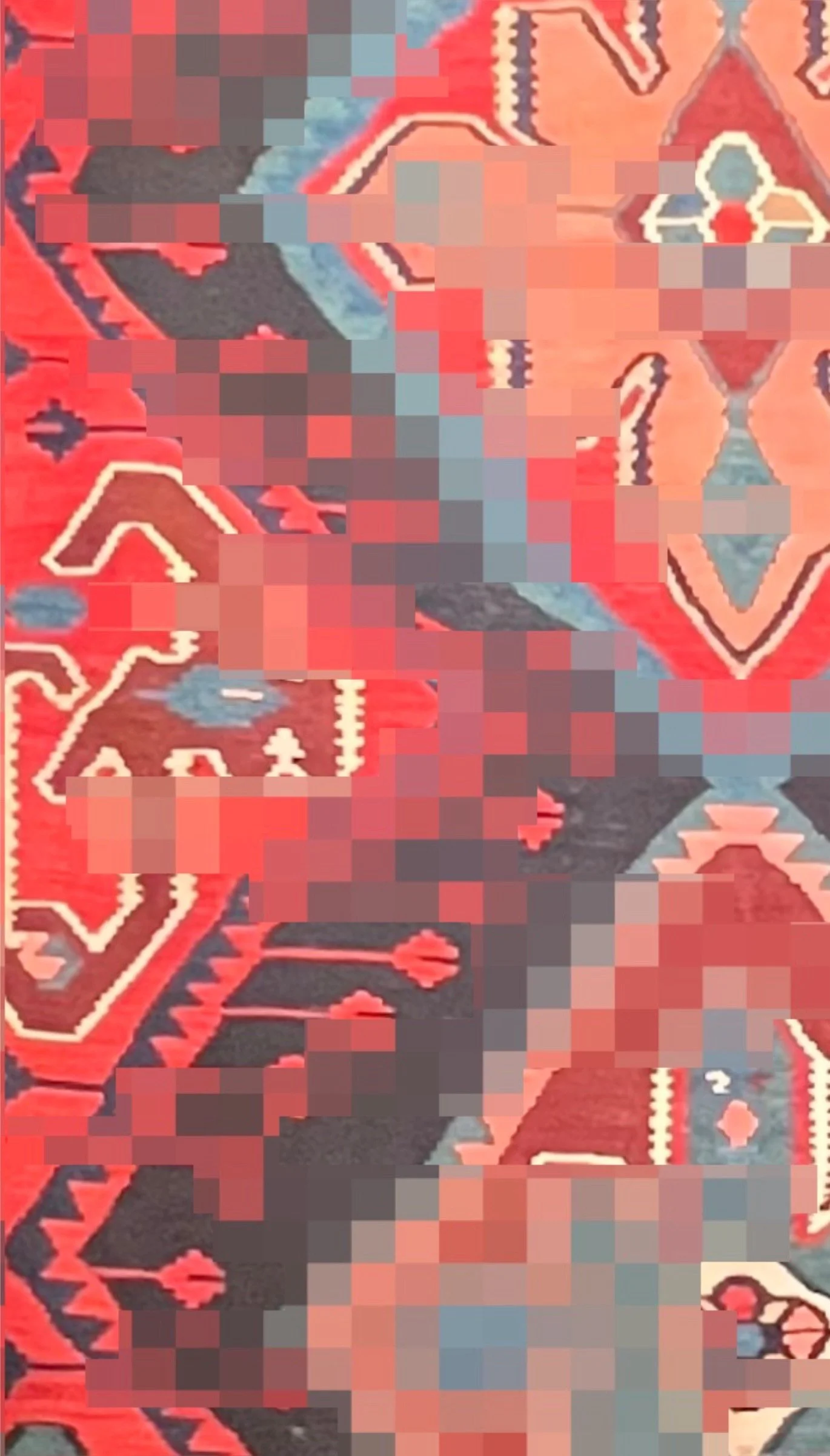
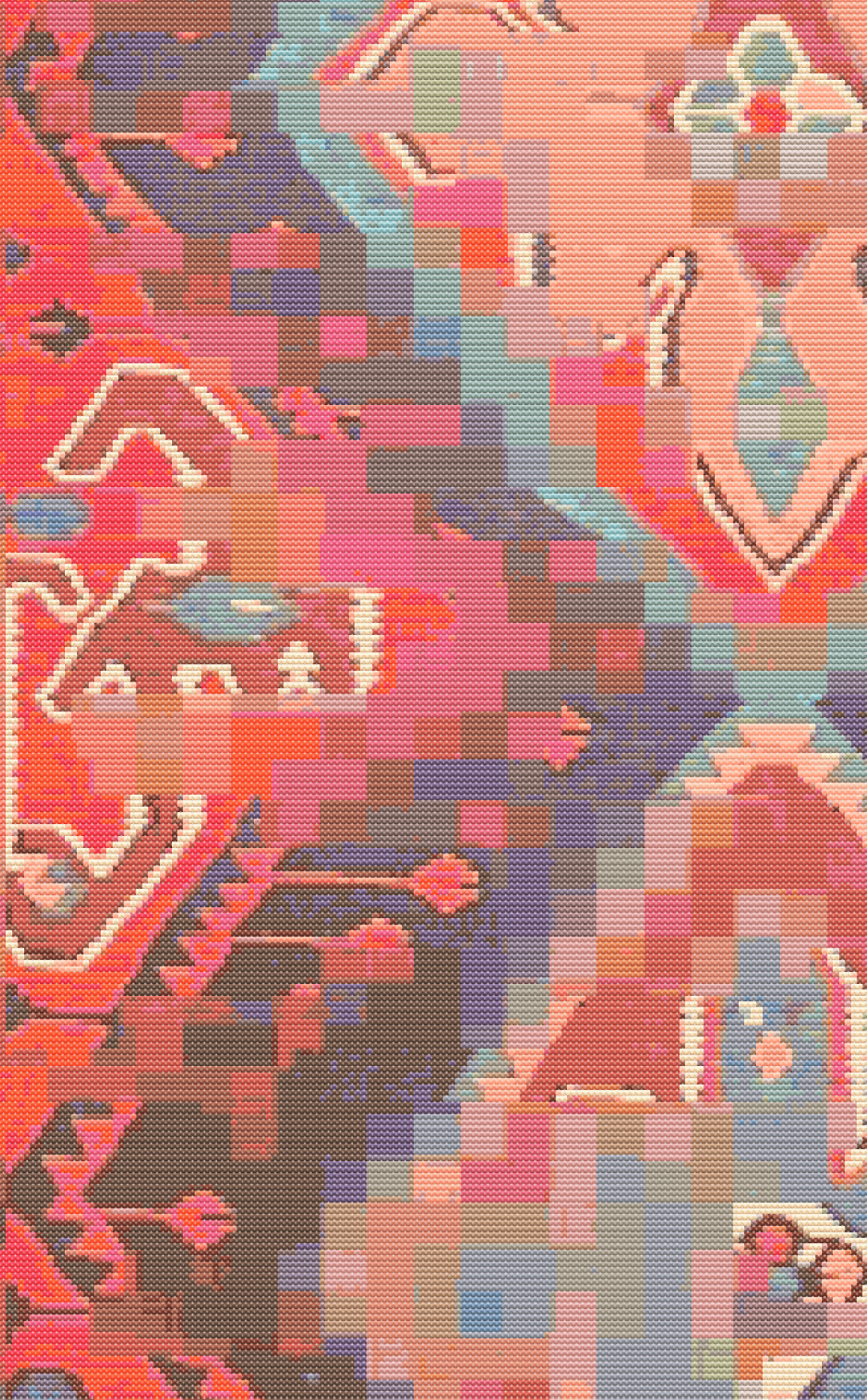
We started from a traditional Armenian embroidery, and ran it through software to decrease its fidelity and give it a “glitched” look. We then used different software to translate it from an image into an embroidery pattern.
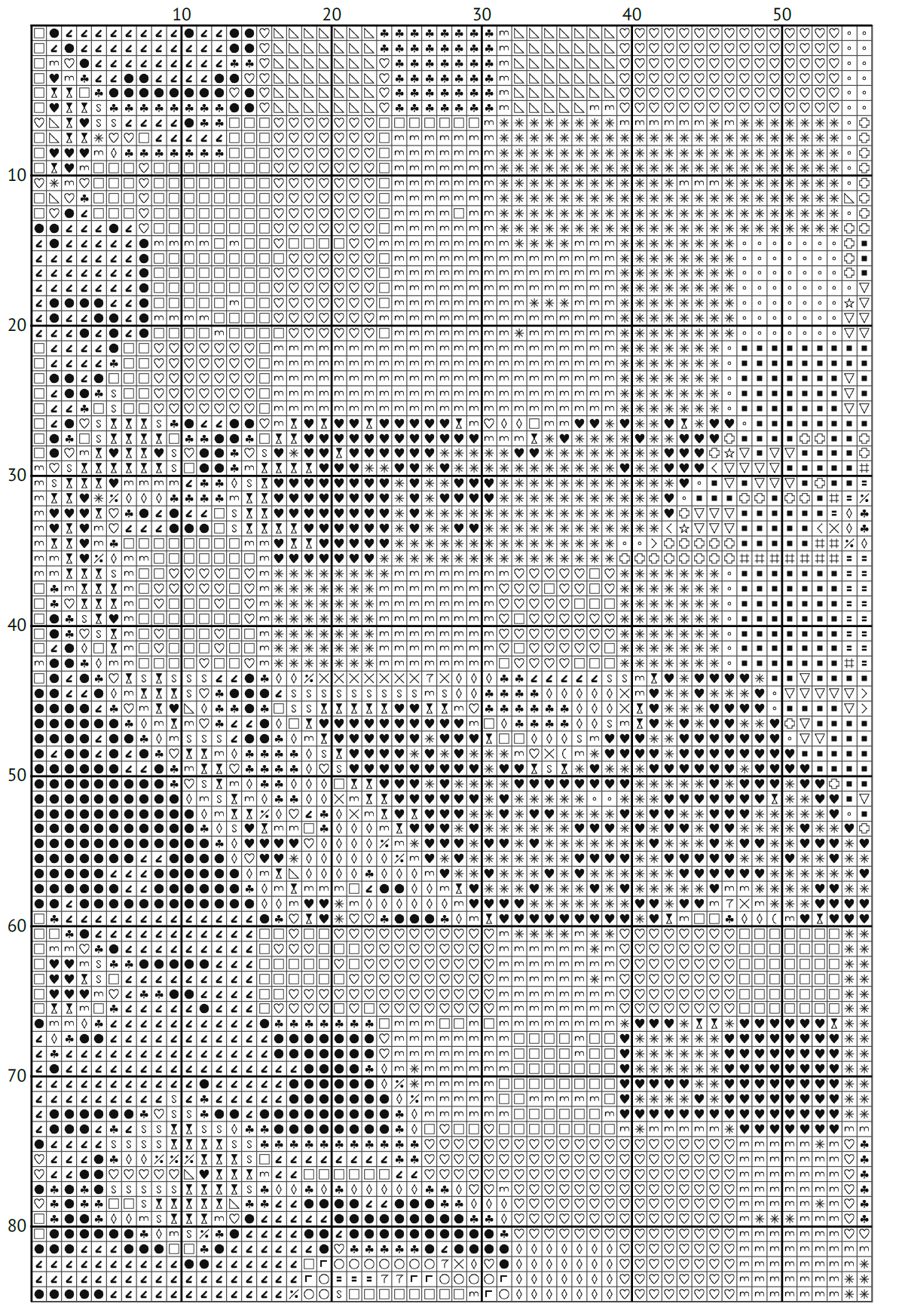
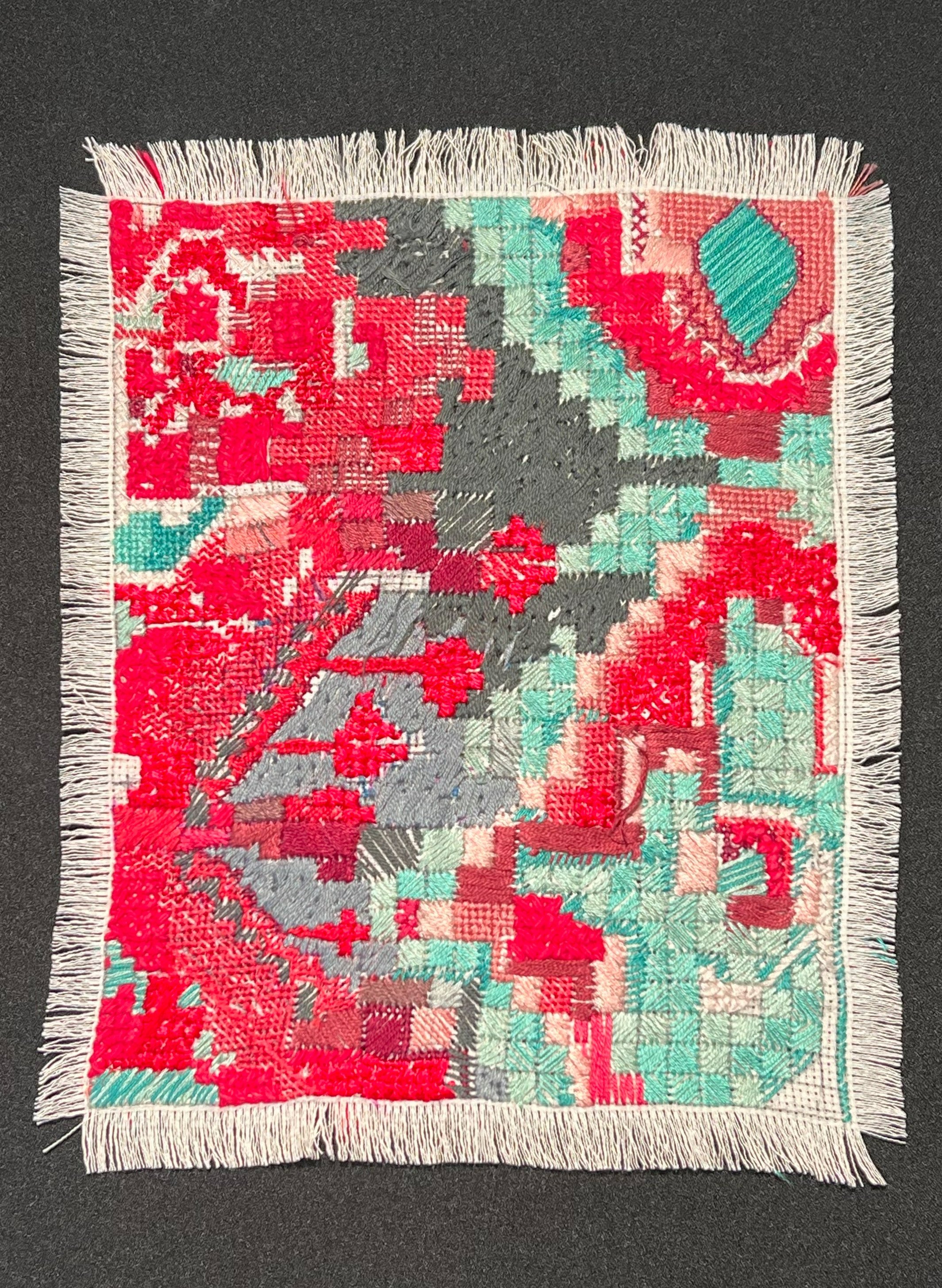
The resulting cross stitch pattern, in stitch notation, and the resulting cross stitched work, about 8 × 12 in.
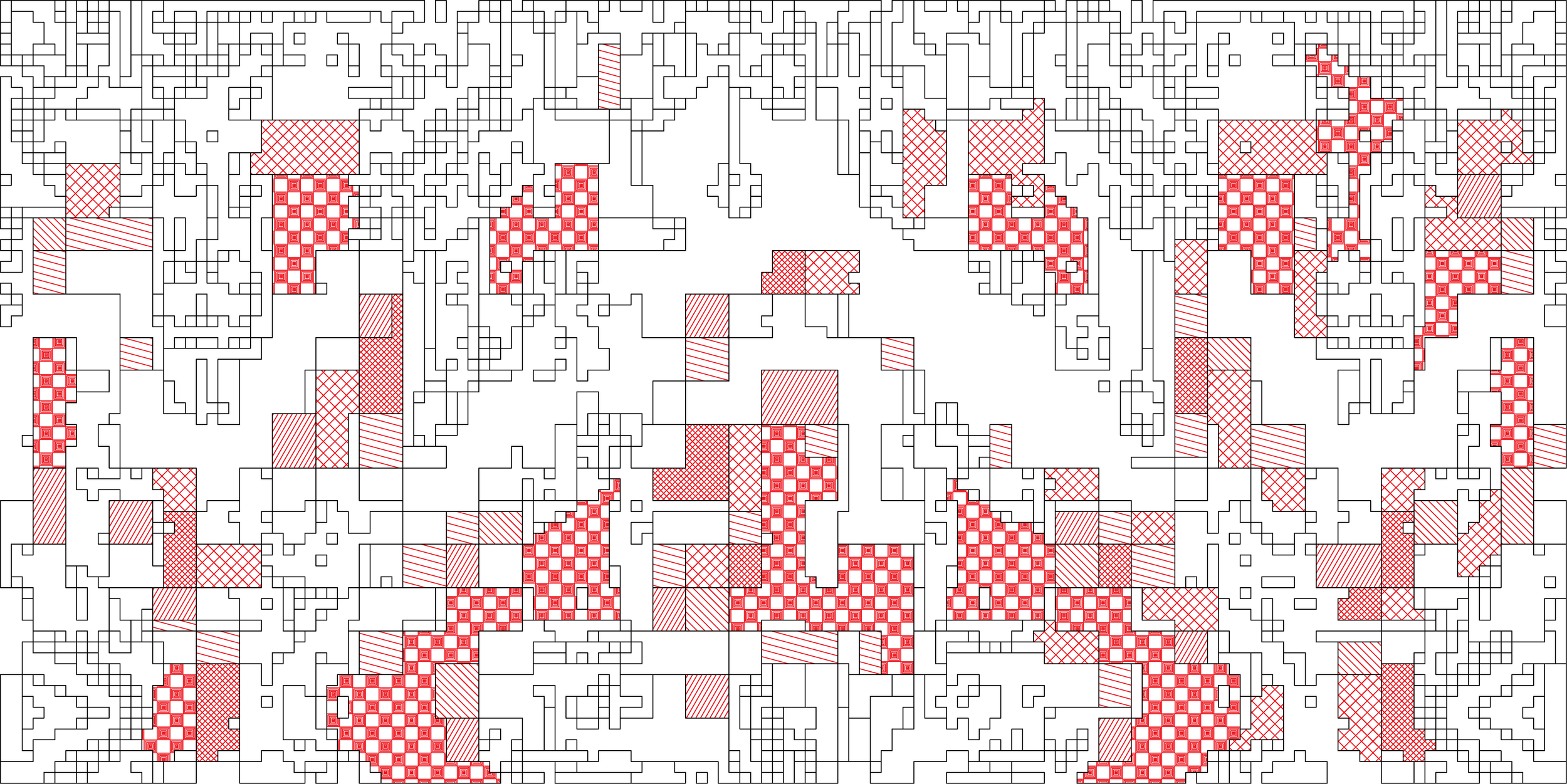
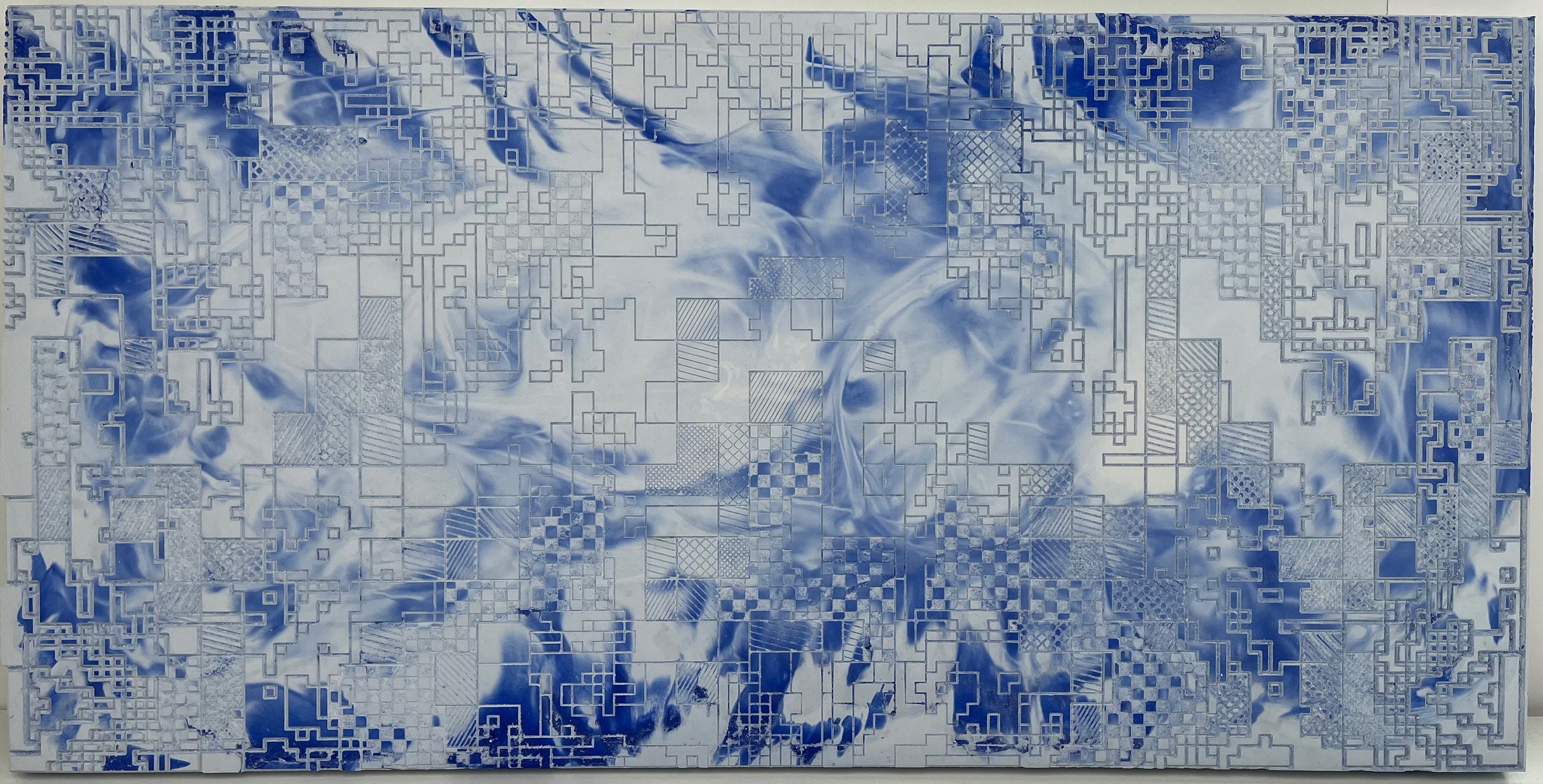
Our first CNC milled panel. We mixed in tempera paint into the plaster and put it through the CNC mill. The pattern was adapted from our original embroidery pattern.
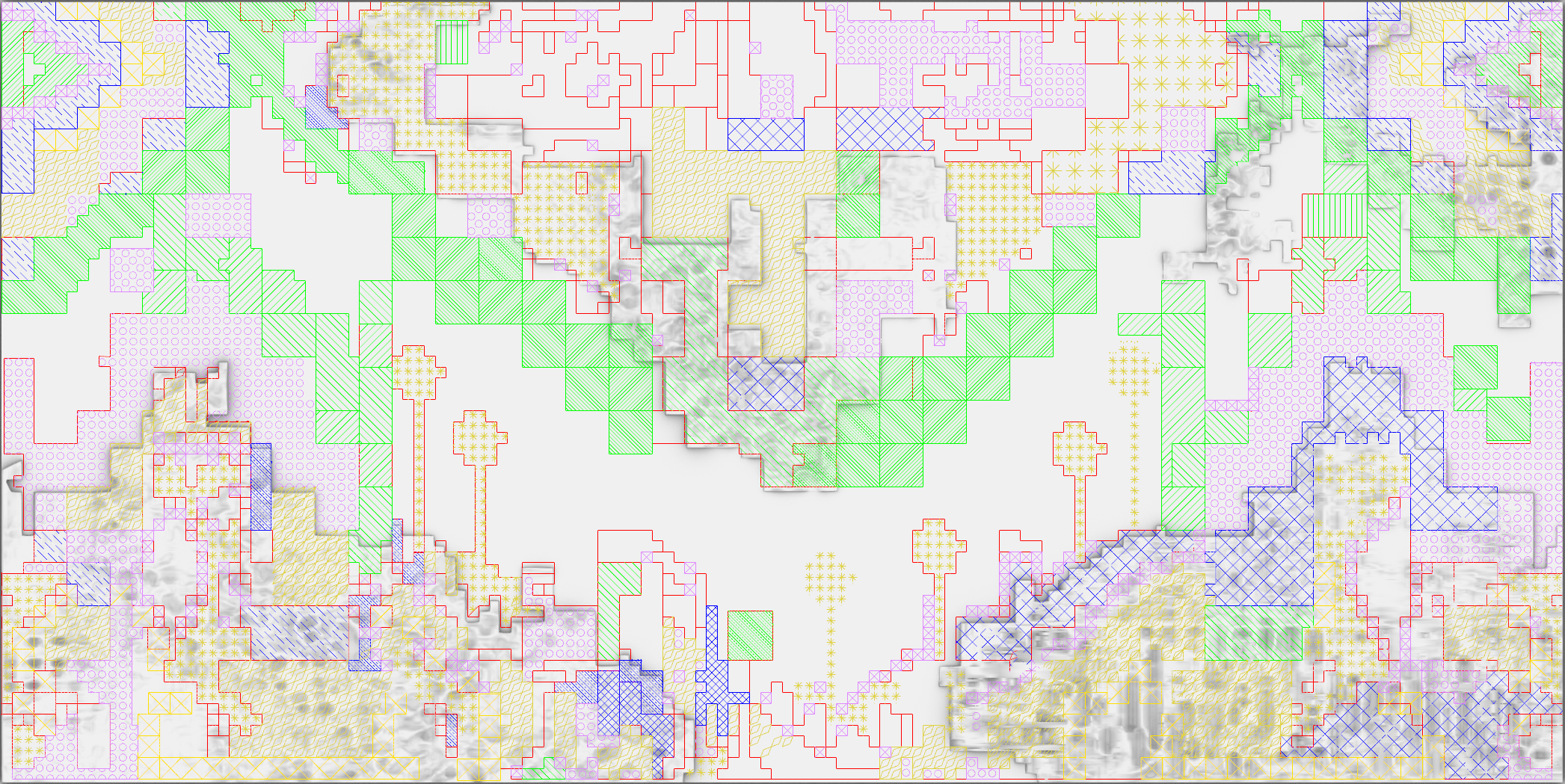
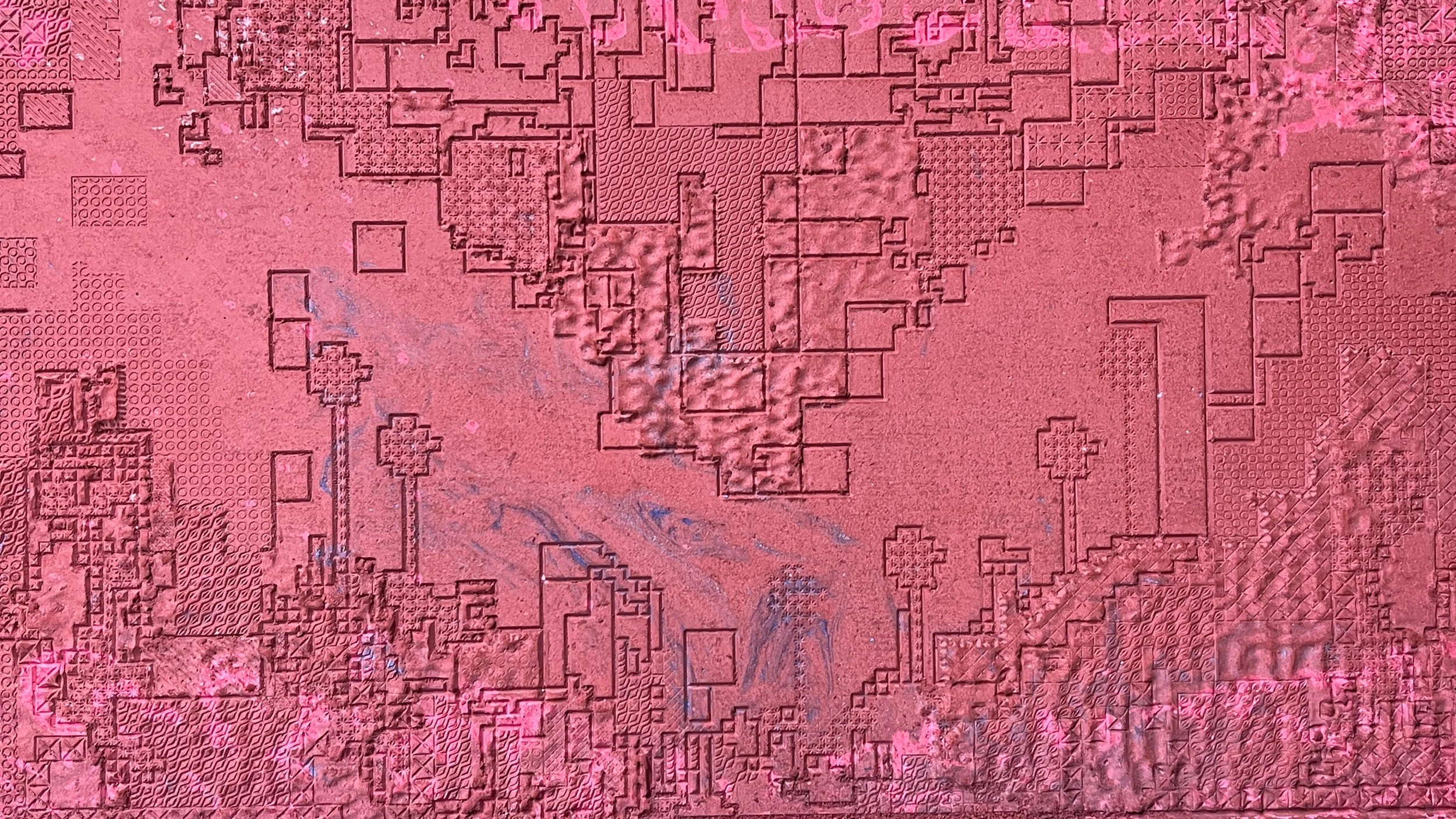
For our second pass, we took a 3D scan of the embroidery work and applied that texture to our CNC mill file, along with the surface patterns. We mixed in iron oxide pigment to color the panel in addition to tempera paint.